
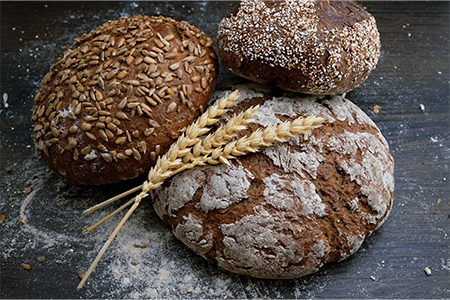
It seems like everyone these days is ditching gluten. From restaurants offering gluten-free menus to supermarkets stocking gluten-free products, avoiding gluten has become a popular trend. But what is gluten, and is it really as bad for you as some claim?
Gluten is a protein found in grains like wheat, barley, and rye. It acts like a binder and gives bread and other baked goods their elastic and chewy texture. However, for people with celiac disease – an autoimmune disorder that affects around 1% of the population – eating gluten can damage the lining of their small intestine, leading to malabsorption of nutrients and a range of symptoms, including bloating, diarrhea, and fatigue.
This has led to the rise of gluten-free products and the belief that avoiding gluten is healthier for everyone. However, there’s little scientific evidence to support this claim. In fact, going gluten-free can be detrimental to your health (and wallet!) if you don’t have celiac disease. Here are 5 reasons why you may not want to follow a gluten-free diet if you don’t have celiac disease:
1. Cost.
For starters, gluten-free products are often more expensive than their counterparts that contain gluten. A gluten-free loaf of bread can cost up to three times as much as regular bread.
2. Nutrient Deficiencies.
Gluten-free products often lack essential nutrients that are present in gluten-containing grains. For example, gluten-free bread may be lower in fiber, iron, and B vitamins.
3. Limited Food Choices.
Following a gluten-free diet can limit your food choices and make it more difficult to eat out or travel.
4. Taste and Texture.
Many gluten-free products have a different taste and texture than regular products. That’s why it’s not uncommon to see highly processed gluten-free foods with added sugars and fats.
5. Unnecessary Restriction.
Why would you want to restrict yourself? Unless you have celiac disease or gluten sensitivity, there’s no evidence to suggest that eating a gluten-free diet has any health benefits for the general population. Eliminating gluten from your diet unnecessarily may lead to a less diverse and balanced diet.
What if you suspect that you might be gluten-intolerant? Then you should pay attention to any symptoms you may experience after consuming gluten-containing foods. The most common symptoms of celiac disease are:
• bloating,
• abdominal pain,
• diarrhea,
• constipation,
• nausea,
• fatigue,
• headaches,
• joint stiffness,
• skin rashes,
• brain fog.
If you experience any of these symptoms, we highly recommend that you speak with a healthcare professional to determine if gluten may be the cause and to rule out any other potential health conditions. Don’t start a gluten-free diet without first consulting a doctor as it can lead to nutrient deficiencies if not done properly.
Even though all that hype around gluten-free products may have you believe that gluten is bad for your health, that’s not necessarily the case. Gluten is only harmful to people with celiac disease or gluten sensitivity. For everyone else, avoiding it can do more harm than good. So, the next time you’re at the grocery store, don’t be swayed by the gluten-free labels. Instead, focus on eating a balanced and varied diet. Opt for whole grains and other nutrient-rich foods to fuel your body and keep you healthy.