
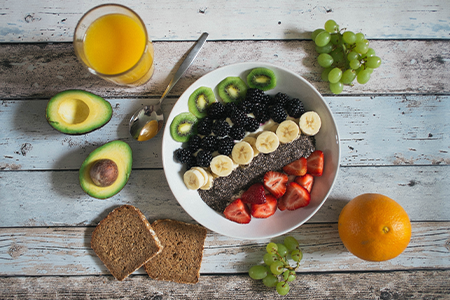
You’ve probably heard the word “fiber” before, but do you know what exactly it is and why it’s important for your health? Simply put, fiber is a type of carbohydrate found in plant-based foods that your body can’t digest or absorb. While it might sound strange, fiber plays a vital role in keeping your digestive system running smoothly. Not only that, but eating a diet rich in fiber can also help with weight management and blood sugar control, among other benefits. So, are you ready to take a closer look at this nutrient?
What’s fiber and what role does it play in a diet?
Unlike other carbohydrates, fiber passes through the digestive system mostly intact, helping to regulate digestion and promote regular bowel movements. There are two types of fiber: soluble and insoluble. Soluble fiber dissolves in water and forms a gel-like substance, which helps to lower cholesterol and regulate blood sugar levels. Insoluble fiber doesn’t dissolve in water and adds bulk to stool, promoting regular bowel movements.
How much fiber do you need?
The American Heart Association recommends a daily fiber intake of 25–30 grams for adults. However, most people fall short of this goal. The average American only eats about 15 grams of fiber per day. So, if you’re not currently getting enough fiber in your diet, it’s time to make some changes.
What are the benefits of eating fiber-rich foods?
• Improved digestive health.
Fiber helps keep your digestive system moving and can prevent constipation and other digestive issues. Some types of fiber also promote the growth of healthy bacteria in your gut, which can contribute to better gut health.
• Reduced risk of chronic diseases.
A diet high in fiber can prevent heart disease and certain types of cancer. Soluble fiber has been shown to lower cholesterol and regulate blood sugar levels, while insoluble fiber can reduce the risk of colon cancer.
• Weight management.
High-fiber foods are filling and can help you feel full for longer periods of time, reducing hunger and preventing overeating. This can help manage your weight and prevent obesity.
• Better blood sugar control.
Fiber slows down the absorption of sugar in your bloodstream, which can help control blood sugar levels and stave off type 2 diabetes.
• Longer life.
Research has shown that eating enough fiber can help promote overall health and longevity. Incorporating fiber-rich foods into your diet can protect you from many diseases and help you live a longer, healthier life.
What are the best sources of fiber to add to your diet?
1. Whole Grains
Whole grains are a great source of fiber. They’re also packed with other nutrients, such as B vitamins and iron. Aim to make at least half of your daily grain intake whole grains.
High-fiber whole grains:
• bulgur (4.5 g of fiber per 100 g)
• whole wheat pasta (3.9 g of fiber per 100 g)
• quinoa (2.8 g of fiber per 100 g)
• buckwheat (2.7 g of fiber per 100 g)
• oat bran (2.6 g of fiber per 100 g)
• brown rice (1.8 g of fiber per 100 g)
2. Beans and Legumes
Beans and legumes are excellent sources of both soluble and insoluble fiber, as well as protein, making them a great addition to a vegetarian or vegan diet.
High-fiber beans and legumes:
• navy beans (10.5 g of fiber per 100 g)
• black beans (8.7 g of fiber per 100 g)
• split peas (8.3 g of fiber per 100 g)
• lentils (7.9 g of fiber per 100 g)
• chickpeas (7.6 g of fiber per 100 g)
• lima beans (7 g of fiber per 100 g)
3. Fruits
Many fruits are a delicious and healthy source of fiber. When possible, try to eat whole fruit instead of just juice, as the pulp and skin contain more fiber.
High-fiber fruits:
• avocado (6.7 g of fiber per 100 g)
• raspberries (6.5 g of fiber per 100 g)
• pears (3.1 g of fiber per 100 g)
• kiwi (3 g of fiber per 100 g)
• banana (2.6 g of fiber per 100 g)
• apple (2.4 g of fiber per 100 g)
• orange (2.4 g of fiber per 100 g)
• plums (1.4 g of fiber per 100 g)
4. Vegetables
Vegetables are packed with fiber, vitamins, and minerals. They make a great staple for dinners and lunches or can be eaten raw as a snack between meals.
High-fiber vegetables:
• artichokes (5.4 g of fiber per 100 g)
• kale (4.1 g of fiber per 100 g)
• Brussels sprouts (3.8 g of fiber per 100 g)
• sweet potato (3 g of fiber per 100 g)
• carrot (2.8 g of fiber per 100 g)
• broccoli (2.6 g of fiber per 100 g)
• spinach (2.2 g of fiber per 100 g)
• cauliflower (2 g of fiber per 100 g)
5. Nuts and Seeds
Nuts and seeds are high in fiber, healthy fats, and protein.
High-fiber nuts and seeds:
• chia seeds (34.4 g of fiber per 100 g)
• flax seeds (27.3 g of fiber per 100 g)
• dried coconut (16.3 g of fiber per 100 g)
• almonds (12.5 g of fiber per 100 g)
• pistachios (10.6 g of fiber per 100 g)
• hazelnuts (9.7 g of fiber per 100 g)
• pumpkin seeds (6 g of fiber per 100 g)
Now that you know the important role that fiber plays in your diet, it’s time to start incorporating more fiber-rich foods into your daily meals. To ensure you’re getting enough fiber, aim to include at least 5 servings of fruits and vegetables and several servings of whole grains per day. Remember, a healthy diet is a balanced one, and fiber is a key ingredient in that balance.