
Do you ever find yourself wandering through the grocery store, unsure of what to buy and feeling overwhelmed by the endless options? Or maybe you’re someone who just grabs whatever catches your eye, only to end up with a cart full of unhealthy snacks and processed foods? If either of these scenarios sounds familiar, you’re not alone.
Grocery shopping can be a daunting task, especially when you’re trying to eat healthy and make smart choices. But with a little bit of planning and preparation, you can create a grocery list that will help you stay on track with your healthy eating goals. In this article, we’ll show you how to make a healthy grocery list that will make shopping easier and more enjoyable.
Making a Plan
Before you start writing down everything you need at the grocery store, you need to make a plan. Meal planning is a key part of healthy eating, and it’s especially important when it comes to making your grocery list. Decide what meals you want to prepare for the week, and then create a list of ingredients based on those meals. This will help you avoid buying unnecessary items and will ensure that you have everything you need to cook healthy dishes.
Fresh Fruits and Vegetables
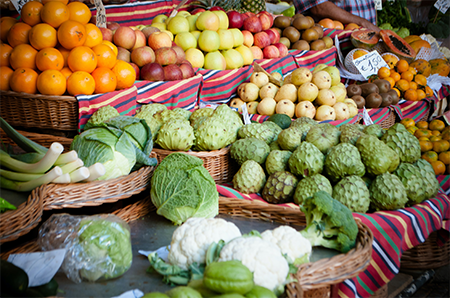
One of the essential parts of a healthy diet is eating plenty of fruits and vegetables. When making your grocery list, be sure to include a variety of fresh produce. Look for seasonal fruits and vegetables, as they are often more affordable and taste better. Aim to include a variety of colors in your fruits and vegetables, as this ensures that you’re getting a range of nutrients. Here are some ideas for fresh fruits and vegetables you can add to your list:
• Fruits: apples, bananas, kiwis, blueberries, oranges, mangoes, strawberries, avocado.
• Vegetables: carrots, onions, spinach, kale, sweet potatoes, zucchini, celery, broccoli, cauliflower.
• Legumes: green beans, peas, edamame.
• Fresh herbs: basil, mint, coriander, rosemary, thyme.
Bread, Cereal, and Grains
Whole grains play a big role in a balanced diet, so don’t forget to include them on your grocery list. Look for whole-grain bread, pasta, and rice, and choose cereals that are low in sugar and high in fiber. Quinoa, brown rice, bulgur, and whole wheat tortillas are all good options.
Meat, Seafood, and Plant-Based Alternatives
Meat, seafood, and plant-based alternatives should be an integral part of your diet as they provide protein. If you eat meat, be sure to choose lean cuts, such as chicken breast and turkey. Be sure to add fish and seafood to your grocery list as well. If you’re looking for plant-based alternatives, consider tofu and tempeh.
Eggs, Dairy, and Plant-Based Alternatives
Eggs and dairy are also good sources of protein and other important nutrients, but if you’re vegan or lactose intolerant, there are plenty of plant-based alternatives available. Look for almond milk, soy milk, and coconut milk, and consider trying vegan cheese or yogurt.
Canned and Dry Goods
Canned and dry goods, such as beans, lentils, and canned tomatoes, are pantry staples that can be used in a variety of dishes. When buying canned goods, be sure to look for low-sodium options, and rinse beans and vegetables before using them to reduce their salt content.
Beverages and Condiments
When it comes to beverages, water should be your go-to option. However, if you want something with a bit more flavor, consider adding some sliced fruit or herbs to your water. As for condiments, look for low-sugar and low-sodium options, such as mustard or salsa, and choose olive oil or avocado oil instead of vegetable oil.
Frozen Foods
Frozen fruits and vegetables are just as nutritious as fresh, and they can be a convenient option when you’re short on time. Look for plain frozen vegetables, without added sauces or seasonings, and choose frozen unsweetened fruits.
Tips for a Healthy Grocery Shopping
• Shop the perimeter of the store, where the fresh produce, meat, and dairy are usually located.
• Avoid processed foods, such as chips, cookies, and soda.
• Check the labels on packaged foods, and choose those that are low in sugar and high in fiber.
• Buy in bulk, especially for items that you know you’ll use frequently, such as rice, pasta, nuts, or seeds. It will save you money and reduce packaging waste.
• Avoid shopping when you’re hungry or in a rush. When you’re hungry, you’re more likely to make impulse purchases and choose unhealthy snacks or fast food. If you’re in a rush, you may not have time to read labels or compare prices, and you may forget important items.
As you can see, making a healthy grocery list isn’t hard, but it will help you eat well, save time and money, and reduce food waste. By planning your meals ahead of time, you can make sure you have all the ingredients you need, avoid impulse purchases, and stick to your budget. It’s in your hands to make grocery shopping an enjoyable experience, and nourish your body and mind with nutritious and delicious foods.